Garage Conversion Cost in California 2026 Guide
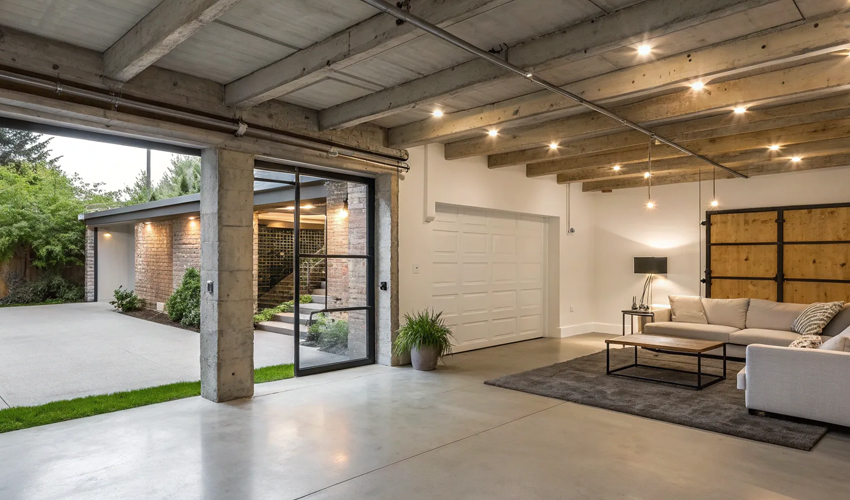
Garage conversions have become one of the most popular ways for California homeowners to add functional living space to their homes in 2026. Whether transforming a garage into a guest suite, home office, rental unit, or full accessory dwelling unit (ADU), a garage conversion can make previously unused space highly valuable. Beyond increasing square footage, these conversions improve a home’s functionality, aesthetics, and overall appeal. In this guide, we’ll explore the benefits, process, and considerations for converting a garage in California.
Why Consider a Garage Conversion?
Garage conversions offer a range of advantages for homeowners:
- Increased Living Space: A garage conversion transforms underutilized space into a functional area such as a bedroom, office, or recreational room.
- Flexibility for Multiple Uses: Converted garages can serve a variety of purposes, including home offices, guest suites, studios, or rental spaces.
- Enhanced Home Value: Homes with additional functional living space are more attractive to buyers and can stand out in competitive California markets.
- Sustainable Solution: Instead of building a new structure, a garage conversion maximizes existing space, often reducing the environmental impact associated with new construction.
Types of Garage Conversions
There are several ways to approach a garage conversion, depending on your needs and goals:
- Basic Living Space:
This type of conversion focuses on creating a simple, livable area such as a home office, gym, or lounge space. It typically involves finishing the floors, insulating walls, and updating lighting. - Bedroom or Guest Suite:
Many homeowners convert their garages into extra bedrooms or guest suites. This requires attention to comfort, privacy, and sometimes plumbing for an attached bathroom. - Full ADU (Accessory Dwelling Unit):
Converting a garage into a fully permitted ADU is ideal for creating a rental unit or extended family space. ADUs often include a kitchen, bathroom, and separate entrance, offering complete independence from the main home. - Home Office or Studio:
With the rise of remote work and creative businesses, garages are increasingly converted into offices, studios, or hobby spaces. Good natural lighting, proper ventilation, and functional layouts are essential for these conversions. - Recreational Space:
Some homeowners convert garages into game rooms, home gyms, or entertainment areas, transforming the garage into a central hub for fun and relaxation.
Key Considerations Before a Garage Conversion
Before starting a garage conversion project, it’s important to evaluate several factors:
- Building Permits and Regulations:
California has specific rules for home renovations, including zoning, safety codes, and ADU regulations. Securing the necessary permits ensures your project is legal and safe. - Structural Modifications:
Many garages require modifications to meet building codes and livability standards. These may include adding insulation, updating windows and doors, improving flooring, or enhancing ventilation. - Plumbing and Electrical Requirements:
Adding a bathroom, kitchen, or enhanced living space often requires updating electrical systems, HVAC, and plumbing to accommodate new uses. - Design and Layout:
Consider how the converted space will flow with the rest of your home. Choosing a layout that maximizes usability and natural light can greatly improve the overall functionality and comfort. - Aesthetics and Finishes:
Selecting high-quality finishes, flooring, and lighting enhances the space and ensures it feels integrated with the rest of your home. Thoughtful design choices can also increase property value and appeal. - Access and Privacy:
Ensure the converted space has appropriate entrances and, if necessary, privacy features. Separate entrances are important for rental units, while proper insulation and window placement improve comfort for bedrooms or offices.
Benefits of a Garage Conversion
Garage conversions offer multiple benefits beyond adding usable square footage:
- Maximizing Existing Space: Unused garages can be transformed into functional living areas without expanding your home’s footprint.
- Increased Home Functionality: Custom spaces tailored to your family’s needs make your home more livable.
- Adaptable Solutions: Garage conversions can evolve with your needs. A home office today can become a guest suite tomorrow.
- Environmental Efficiency: Reusing existing structures reduces the need for new materials and construction, making it an eco-friendly choice.
- Potential Rental Opportunities: Fully functional ADUs or guest suites can serve as rental units, providing a source of income or housing for family members.
Garage Conversion Process
While each project varies, the garage conversion process typically follows these stages:
- Planning and Design:
Work with an architect or designer to develop a layout that meets your needs. Consider room function, lighting, storage, and ventilation. - Permitting and Approvals:
Submit plans to local building authorities to secure necessary permits. Compliance with building codes is critical for safety and legality. - Preparation and Demolition:
Clear the garage, remove existing fixtures, and make any structural adjustments required for the new space. - Construction and Utilities:
Install insulation, flooring, walls, windows, and doors. Update electrical, plumbing, and HVAC systems as needed. - Finishing Touches:
Apply paint, flooring finishes, lighting fixtures, and cabinetry to complete the space. Decorate according to the intended use to make it functional and inviting. - Inspection and Approval:
Final inspections ensure the space complies with local codes and safety standards, completing the legal and functional transformation.
Tips for a Successful Conversion
- Plan Ahead: Define your goals clearly before construction begins.
- Hire Experienced Professionals: Contractors familiar with garage conversions can navigate regulations and ensure quality results.
- Consider Energy Efficiency: Proper insulation, efficient windows, and HVAC systems improve comfort and reduce energy costs.
- Focus on Comfort and Functionality: Ensure the converted space meets all your lifestyle needs, whether for work, living, or recreation.
- Integrate with Home Style: Design the space to complement your existing home, maintaining aesthetic harmony and flow.
Conclusion
Garage conversions in California continue to be an excellent way to increase living space, functionality, and home value in 2026. By carefully considering your goals, following proper building regulations, and working with skilled professionals, you can transform your garage into a comfortable, attractive, and versatile space. Whether it becomes a guest suite, home office, recreational area, or fully independent ADU, a well-planned garage conversion is a smart investment for homeowners looking to make the most of their property.