How Long Does an Adu Permit Take in Orange County
Accessory Dwelling Units (ADUs) have become increasingly popular throughout Orange County, California. Homeowners are building ADUs to create rental income, house family members, or increase property value. However, before construction begins, obtaining the proper permits from the local city or county is essential. One of the most common questions homeowners ask is: “How long does it take to get an ADU permit in Orange County?”
The answer depends on several factors, including city regulations, project complexity, and the completeness of your application. In most cases, the ADU permitting process in Orange County takes between 2 and 4 months after submitting plans, although preparation and revisions can extend the timeline slightly.
This guide explains the complete ADU permit timeline, the stages involved in approval, and the factors that may affect how quickly your permit is issued.
Understanding ADU Permits in Orange County
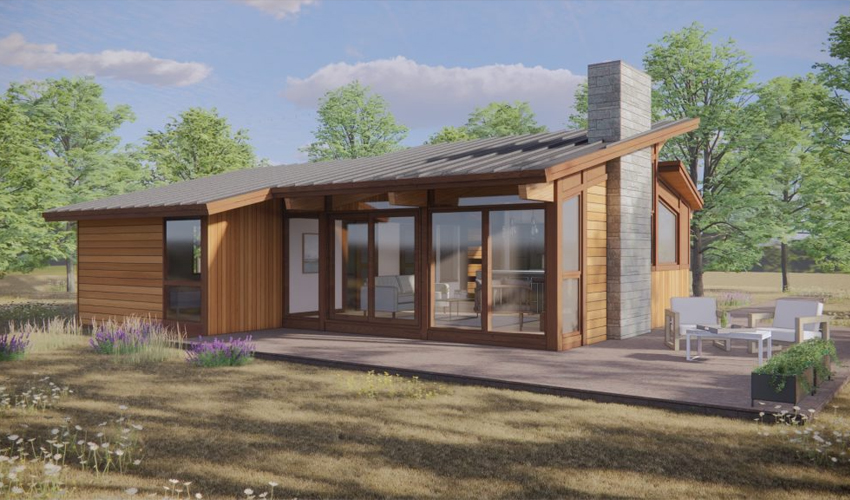
An Accessory Dwelling Unit (ADU) is a secondary housing unit built on the same property as an existing residential home. These units can be detached backyard homes, garage conversions, or attached additions to the main house.
In California, ADU laws were simplified to encourage more housing development. Because of this, cities must process ADU permits through a ministerial approval process, meaning permits are approved if they meet local zoning and building requirements without public hearings or discretionary review.
This streamlined process helps speed up approvals compared to traditional home construction permits.
Average ADU Permit Timeline
Although every project is different, most ADU permits in Orange County follow a predictable timeline.
Typical Permit Timeline:
-
Initial plan preparation: 2–6 weeks
-
Application submission and intake: a few days
-
City plan review: up to 60 days
-
Corrections and revisions: 1–4 weeks
-
Final permit approval: issued after corrections are accepted
Overall, homeowners can expect 2 to 4 months for permit approval after submitting the application.
In some cases, the entire process from design to permit approval may take 3 to 4 months, depending on how quickly plans are prepared and how many revisions are required.
New State Rules That Speed Up ADU Permits
Recent California legislation has helped accelerate the permitting process.
A law passed in 2025 requires cities to perform an initial review of ADU applications within 15 business days. This does not mean the permit will be approved in 15 days, but it ensures the city quickly identifies missing information or corrections needed.
In addition, California law requires local agencies to approve or deny a completed ADU permit application within 60 days when a primary residence already exists on the property.
These regulations prevent cities from delaying ADU projects for long periods and help homeowners move through the process more efficiently.
Step-by-Step ADU Permit Process
To better understand how long the process takes, it helps to break the permit process into stages.
1. Property Evaluation
Before submitting plans, homeowners must verify that their property qualifies for an ADU. This step usually involves reviewing zoning regulations, setback requirements, and utility access.
During this phase, architects or contractors evaluate:
-
Property zoning
-
Lot size and layout
-
Setback requirements
-
Utility connections
-
Parking rules
This evaluation usually takes a few days to one week.
2. Design and Architectural Plans
The next stage involves preparing architectural drawings and construction documents.
These plans include:
-
Site plans showing property layout
-
Floor plans and elevations
-
Structural engineering drawings
-
Electrical and plumbing plans
-
Energy compliance documentation
Design and engineering preparation typically takes 2 to 6 weeks, depending on the complexity of the project.
Using pre-approved ADU plans can significantly shorten this stage because the designs already meet city building codes.
3. Submitting the Permit Application
Once the design documents are complete, the permit application is submitted to the local city planning or building department.
The submission package generally includes:
-
Completed application forms
-
Architectural plans
-
Structural calculations
-
Utility connection plans
-
Energy compliance reports
-
Title 24 documentation
After submission, the city reviews the application to ensure everything is complete.
4. Plan Review by City Departments
During plan review, several departments examine the project to ensure it complies with local and state regulations.
Departments that typically review ADU plans include:
-
Planning department
-
Building and safety department
-
Fire authority
-
Public works department
-
Water and sewer agencies
The city must complete its review within 60 days for a complete application, although corrections may extend the timeline slightly.
5. Corrections and Plan Revisions
Most ADU applications receive comments or correction requests from the city.
Common issues include:
-
Incomplete structural details
-
Energy code adjustments
-
Drainage or grading requirements
-
Utility connection modifications
-
Fire safety compliance updates
Your architect or contractor will revise the plans and resubmit them. This step can take 1 to 4 weeks depending on how quickly the corrections are completed.
6. Final Permit Approval
Once all corrections are resolved and the plans meet city requirements, the building department issues the final permit.
After receiving the permit, construction can officially begin.
Total ADU Project Timeline
While the permit stage usually takes 2 to 4 months, the full ADU project timeline is longer.
Typical project timeline:
-
Design and planning: 2–4 months
-
Permits: 2–4 months
-
Construction: 4–6 months
Overall, most ADU projects in Orange County take 6 to 9 months from planning to completion.
Larger or more complex ADUs may take longer, especially if additional site work or utility upgrades are required.
Factors That Can Delay ADU Permit Approval
Although the permit process is designed to be fast, several factors can slow down approval.
Incomplete Applications
Submitting incomplete plans is one of the most common reasons for delays. Missing documents or unclear drawings can lead to multiple rounds of corrections.
Complex Design
Custom designs or multi-story ADUs require more detailed engineering review, which can increase the timeline.
Utility Upgrades
Projects requiring electrical panel upgrades, sewer connections, or water line modifications may take longer to approve.
Busy City Departments
Some Orange County cities process a high number of ADU applications, which may extend plan review times.
How to Speed Up the ADU Permit Process
Homeowners can take several steps to avoid delays and receive permits faster.
Work with Experienced ADU Designers
Architects or contractors who specialize in ADU projects understand local regulations and can prepare plans that meet city requirements.
Use Pre-Approved ADU Plans
Some cities offer pre-approved ADU designs that have already passed building code review.
Submit Complete Documentation
Ensuring all required documents are included in the application prevents unnecessary delays.
Respond Quickly to Corrections
When the city requests plan corrections, responding quickly can keep the project moving forward.
Final Thoughts
Getting an ADU permit in Orange County is generally faster than many other construction permits thanks to California’s streamlined housing laws. Most homeowners can expect 2 to 4 months for permit approval after submitting their application, though the total process from planning to construction completion usually takes 6 to 9 months.
By working with experienced professionals, preparing complete plans, and understanding local regulations, homeowners can significantly reduce delays and start building their ADU sooner.
Whether you’re creating a rental unit, guest house, or space for family members, understanding the permit timeline helps you plan your project with confidence and avoid unexpected setbacks.